If you care for someone with special needs, you may have already tried the “typical” dental appointment and realized it simply does not work for your loved one. Even a calm dental office can feel overwhelming when sensory sensitivities, physical limitations, behavioral needs, or medical conditions affect how a person experiences touch, sound, bright lights, unfamiliar sounds, and changes in routine.
When routine dental care is difficult, it does not mean dental wellness is out of reach. It means your family may
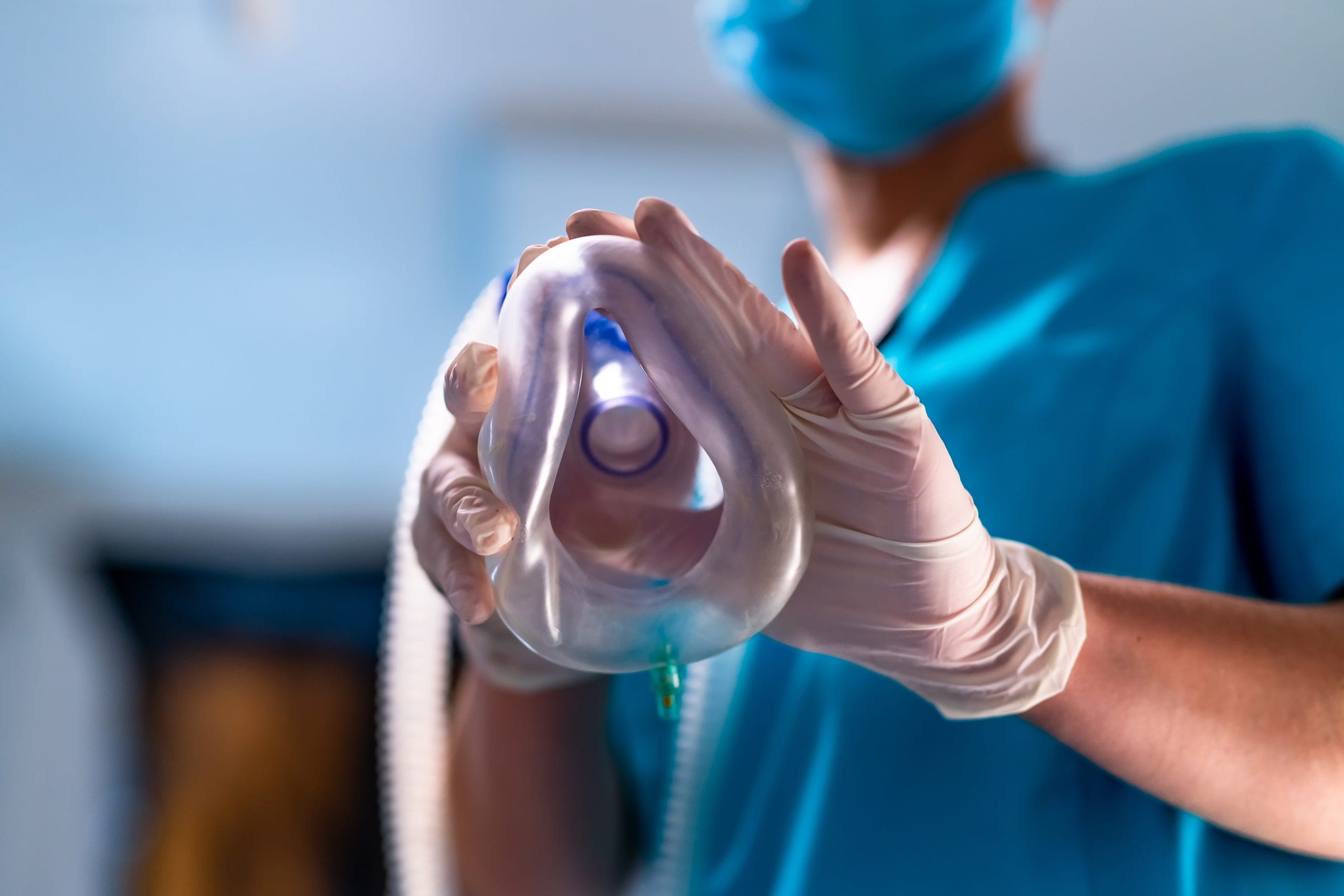
For some special needs patients, hospital sedation dentistry can be the right approach when in-office dental visits are not tolerable, even with extra time and support.
This guide explains how sedation dentistry for special needs patients can work in a hospital environment, why it may be recommended, what the process often involves, and how Briargate Advanced Family Dental supports families in Colorado Springs, CO with special needs dentistry and coordinated care.
Why dental visits can be uniquely challenging for special needs patients
A traditional dental appointment requires a person to sit still, tolerate instruments in the mouth, accept new sensations, and follow a sequence of instructions. For patients with developmental disabilities, intellectual disabilities, autism spectrum disorder, cerebral palsy, or sensory processing disorder, those expectations may not be realistic or safe.
Common barriers to a typical dental experience can include sensory overload, difficulty communicating discomfort, gag reflex challenges, trouble staying still, or difficulty understanding what is happening. Some people also have complex medical history considerations or health conditions that affect positioning, breathing, or swallowing. Others experience severe dental anxiety that escalates quickly in a dental office, even with a gentle dental team.
When these unique challenges prevent exams, dental cleanings, dental X-rays, or necessary treatment, small problems like tooth decay can quietly progress. That is why finding an achievable path to comprehensive care matters.
What is hospital sedation dentistry, and when is it considered?
Hospital sedation dentistry describes dental treatment performed in a hospital setting, where anesthesia services and closer medical monitoring are available. This setting may be considered when a patient cannot safely or comfortably complete dental treatment in a dental office, even with sensory-friendly adjustments and standard dental sedation options.
When a caregiver might start exploring hospital sedation
You may be looking into this option if any of these situations sound familiar:
- Repeated attempts at routine dental care have not been successful due to behavioral challenges or sensory sensitivities
- A patient’s medical conditions require more advanced monitoring of vital signs during a dental procedure
- Extensive dental work is needed, and completing it across a high number of appointments is not realistic
- A patient cannot tolerate instruments in the mouth long enough for an exam, cleaning, or fillings
Hospital-based dental operations can allow the dentist to complete essential dental care in a single, controlled visit, depending on the treatment plans discussed, the patient’s needs, and the medical team’s recommendations.
Sedation options explained: nitrous oxide, oral sedation, and general anesthesia
The phrase “sedation dentistry” can mean several different things. Understanding the main sedation options can help you ask clearer questions and feel more in control of decision-making.
Nitrous oxide (often called “laughing gas”) is a mild form of sedation used in many dental services. It may help with mild anxiety, but it still requires cooperation, breathing through the nose, and tolerating a standard dental appointment. For many special needs patients with significant sensory overload or behavioral needs, nitrous oxide may not provide enough support on its own.
Oral sedation involves taking prescribed medication before the dental visit to help the patient feel more relaxed. It can be helpful for some patients with dental anxiety, but it still typically involves receiving care in the dental office and being able to accept hands-on dental treatment.
General anesthesia is different. It is delivered and monitored in a medical setting by trained anesthesia personnel, and it allows the patient to be asleep during dental work. For some families, this is what they mean when they refer to sleep dentistry, although your dental team will use the term that fits the specific plan. General anesthesia can be appropriate when safety, cooperation, and medical monitoring require a hospital environment.
Briargate Advanced Family Dental offers in-hospital sedation specifically for special-needs patients when appropriate, based on individualized evaluation and planning.
“What if someone with special needs can’t tolerate a traditional dental appointment?” (and what to do next)
If a traditional dental appointment is not workable, you still have options. The next step is usually a conversation focused on what has and has not worked in the past, what the patient can reasonably tolerate, and what oral health needs are currently present.
Hospital sedation dentistry is often considered after a careful review of medical history, current medications, and any health conditions that may affect anesthesia or dental treatment. This is also the time to discuss sensory sensitivities, behavioral challenges, communication preferences, physical limitations, and any triggers related to the dental experience.
The goal is practical: help the patient receive quality dental care in the safest, most supportive way available. For many caregivers, simply having a plan that fits the patient’s reality brings relief.
How in-hospital sedation can support comprehensive dental care
When you are trying to coordinate care for a loved one, the biggest benefit is often predictability. In a hospital setting, the team can plan for monitoring, airway support if needed, and a controlled environment for completing dental procedures efficiently.
That efficiency can matter when there are multiple needs, such as examinations, dental cleanings, digital X-rays, fluoride treatment, or restorative dental work like dental fillings, dental crowns, or root canal therapy. Some patients may also need extractions or evaluation for future options like dental implants or dentures, depending on their oral health and long-term goals.
Hospital sedation can also reduce the stress of multiple dental visits. Fewer visits may mean fewer disruptions to routine and fewer exposures to the sensations that trigger overwhelm. For many families, that supports a more positive experience overall, even though the planning process can feel detailed.
Sensory-friendly preparation still matters, even when sedation is used
Sedation can play an important role, but comfort-focused planning usually starts earlier. Sensory sensitivities do not disappear simply because an appointment is scheduled in a different setting. Thoughtful preparation can reduce anxiety for both the patient and caregiver.
Briargate Advanced Family Dental is known for a calm, organized environment and a patient-guided approach, and those values still apply when a patient needs hospital-based care. Caregivers can often help by sharing what routines work at home, which coping strategies are effective, and how the patient communicates discomfort. Your dental team can then build those insights into treatment plans and appointment planning.
In many cases, the most supportive dental care includes practical adjustments such as flexible scheduling to reduce wait times, clear explanations, and allowing the caregiver to ask detailed questions about each step.
How Briargate Advanced Family Dental helps families in Colorado Springs coordinate hospital sedation care
If you are searching for a family dentist in Colorado Springs who understands special needs dentistry, it helps to know what coordination can look like. Briargate Advanced Family Dental offers special needs dentistry as part of its general dentistry services and provides in-hospital sedation reserved for special-needs patients when appropriate.
Families often need support in three areas:
- Individualized evaluation and planning: Reviewing oral health needs, current symptoms, and medical history to choose the safest type of sedation and outline necessary treatment.
- Coordination and preparation: Helping caregivers understand what information may be required ahead of time and how to prepare for the hospital visit. Briargate Advanced Family Dental has a hospital coordinator on staff to support this process.
- Follow-up dental care: Planning ongoing routine dental care after hospital treatment, so the patient can stay on track with preventative needs like exams, cleanings, and monitoring for tooth decay or dry mouth concerns.
This approach supports continuity. It also supports trust, because you are not piecing together a plan alone. You have a dental team that can explain options clearly and help you decide what fits your situation.
Questions to ask a sedation dentist before moving forward
Caregivers often feel pressure to make the “right” decision quickly. It can help to slow down and ask clear questions, especially when sedation dentistry options are involved. Consider asking:
- What type of sedation are you recommending, and why is it the best fit for the patient’s needs?
- What dental treatment do you expect to complete during the hospital visit?
- How will medical conditions or medications affect the plan?
- How will vital signs be monitored during the dental procedure?
- What follow-up care will be needed afterward, and how many dental visits should we expect?
- Are there ways to make future routine dental care easier after necessary treatment is completed?
These questions support shared decision-making and help you understand what to expect without feeling overwhelmed.
A calm next step for your family
If you are exploring sedation dentistry for special needs patients in Colorado Springs, CO, you deserve a team that listens carefully and offers realistic options. Briargate Advanced Family Dental provides special needs dentistry and offers in-hospital sedation for special-needs patients when appropriate, with individualized treatment planning, hospital preparation coordination, and follow-up care afterward.
If you have been told, “We couldn’t complete the visit,” that can be the start of a better plan. Schedule an appointment with Briargate Advanced Family Dental in Colorado Springs to talk with our dental team about your loved one’s needs, comfort considerations, and the sedation options that may help them receive essential dental care.